
Has tug of war ever been in the Olympics? The answer might surprise you.
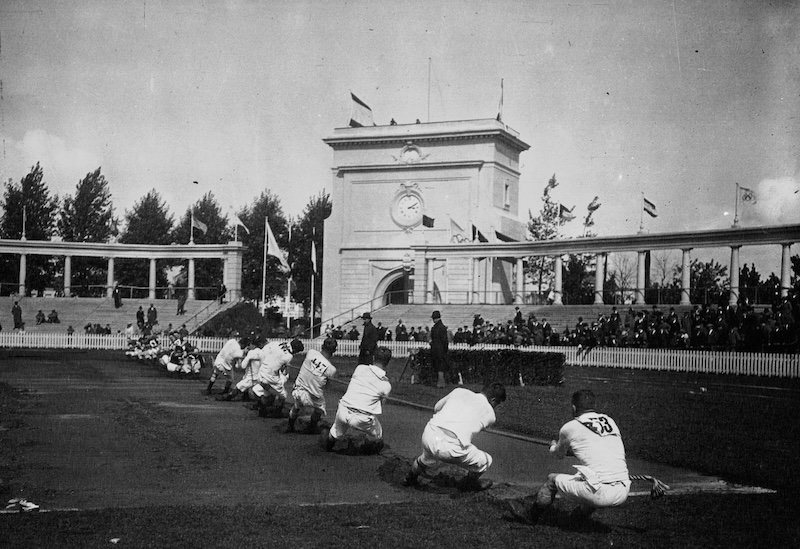
Is tug of war in the Olympics? Today, the popular kids’ game might not seem like an Olympic-caliber sport. But tug of war used to be in the Olympics.
The story of this unusual Olympic event is full of surprises. Like that the first Black athlete to win a medal at the Olympics was a rugby player who also took silver in the tug of war event.
Why was tug of war removed from the Olympics? The sport’s rise and fall hints at the secret power of the modern Olympics.
Tug of War at the Olympics
It sounds like a myth, but tug of war was an actual Olympic event for many years. From 1900-1920, five Olympic Games featured the sport.
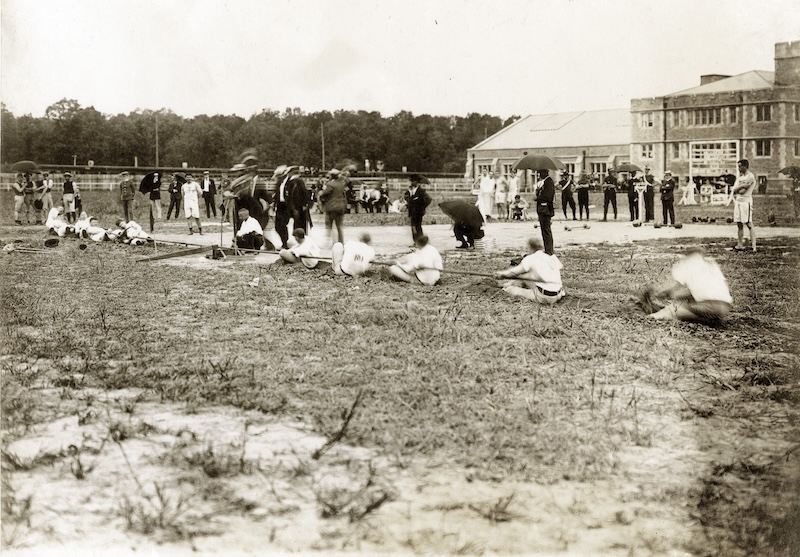
Olympic tug of war looked the same as the sport kids play today. At the 1900 Paris Olympics, for example, teams of 5 or 6 men lined up opposite each other and tried to pull the opposing team across a line.
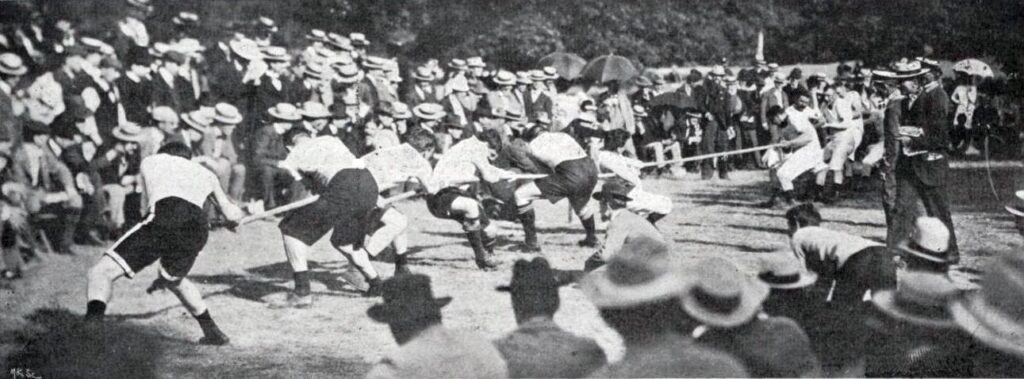
Countries didn’t send tug of war teams to compete at the Olympics though. Athletes attending the Olympics for other events would join the competition.
In fact, the U.S. had to withdraw from the first Olympic tug of war match because half their team had hammer throwing at the same time.
And yes, tug of war awarded metals.
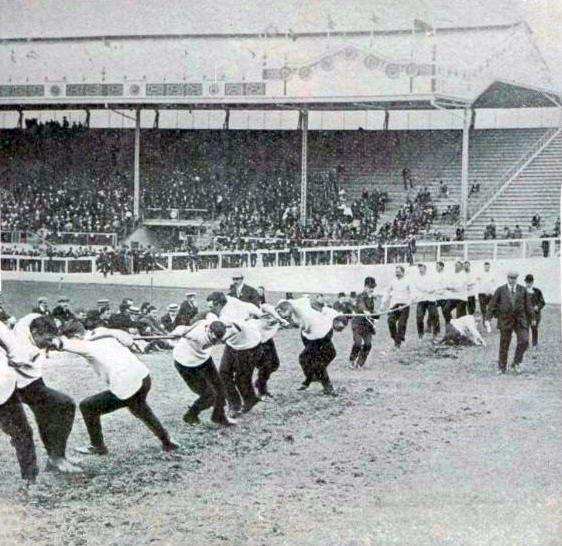
France’s silver medal team in 1900 included Constantin Henriquez de Zubiera, a rugby player. Zubiera became the first Black athlete to win an Olympic medal – and later during that same Olympics, he became the first Black athlete to win gold at the Olympics on the rugby team.
Why was Tug of War Removed from the Olympics?
Why did the Olympic Games cut tug of war after 1920? That year saw a major reshuffling of eligible sports, with 34 events getting cut from the games.
The International Olympic Committee (IOC) allowed many unusual events in the early years of the modern Olympics, which date back to 1896.
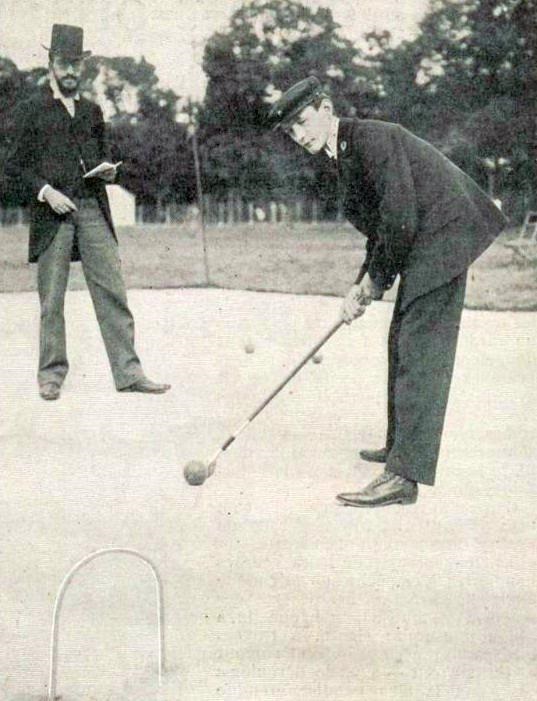
Croquet was an Olympic sport for a single time – 1900 – but didn’t come back after just one spectator showed up for a match. While polo appeared at five games, it hasn’t been in the Olympics since 1936.
In 1908, the London Olympics welcomed the new sport of motorboating, but had to cancel six of the nine scheduled events because of weather. Motorboating never made it back to the Olympics.
So tug of war was one of many unusual sports at the Olympics that faded away when the IOC made stricter rules for Olympic sports.
Weird Olympic Sports
Today, tug of war is a summer picnic or field day game. And it’s not the strangest sport to appear in the Olympics. Other strange sports include pigeon shooting and hot air ballooning.
Long jump and high jump weren’t just for track and field athletes in the early years of the Olympics. At the 1900 games, horses also competed in long jump and high jump.
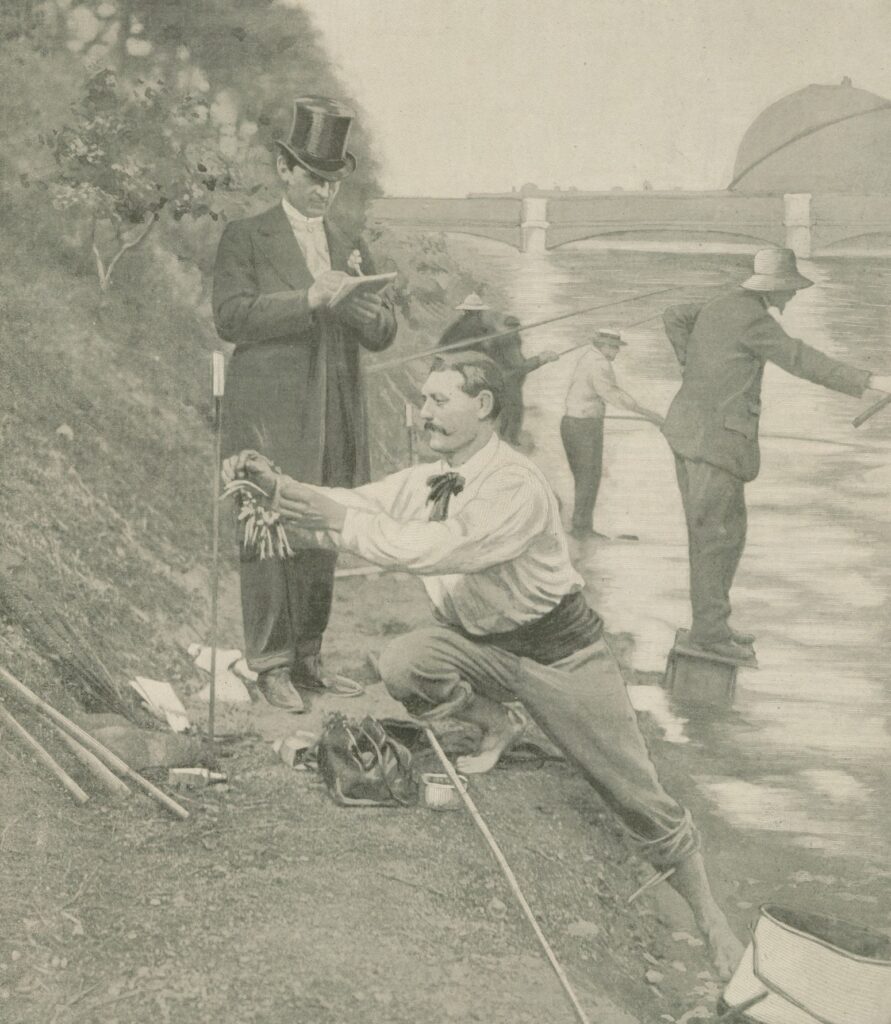
What other sports have been cut from the Olympics? At the 1900 Paris Olympics, the roster included cannon shooting, kite flying, and pigeon racing.
Artistic competitions also appeared at many early Olympics. Painters picked up their brushes and captured moments in sports to win medals. Sculptors crafted sports-themed creations for the podium. And even architects could win gold.
Why did events like music and literature eventually leave the Olympics? It’s not for the reason you might think.
The Olympics decided that artists were professionals – and the Olympics were meant to showcase amateur athletes.
The Secret Power of the Modern Olympics
Reviving the Olympic games raised many questions about what sports should make the cut.
Some argued for only including ancient Greek sports from the original Olympic games. Others wanted more modern events like soccer and basketball. After all, the ancient games didn’t include any team sports – or any women athletes.
After decades of debate, the modern Olympics took shape.
The modern games would not simply imitate the ancient games. But they also would not include kite flying or tug of war. Testing out sports like tug of war at the Olympics helped shape what the games look like today. That flexibility – to adapt as sports rise and fall in popularity – is the secret power of the modern Olympics.
Discover more strange sports stories by checking out Bruce Wilson’s Strange But True Sports History, available in ebook, paperback, and audiobook.